


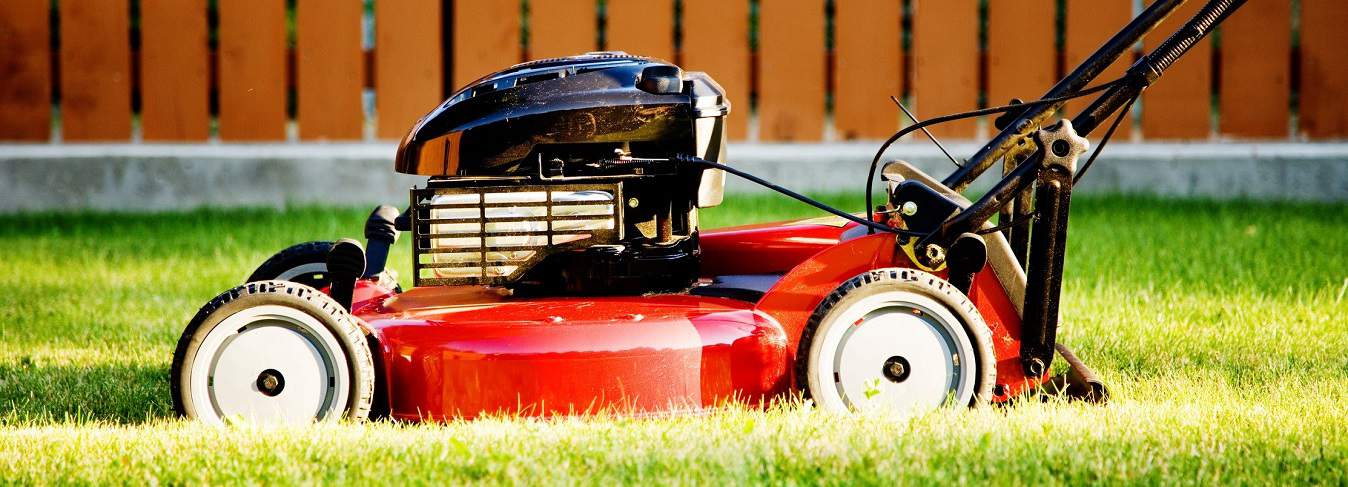
A dirty lawn mower carburetor is one of the most common reasons a small engine stalls, surges, or refuses to start after sitting over winter. The fix usually involves a thorough cleaning, and in many cases you can do it yourself in under an hour. This guide covers how to diagnose a dirty carburetor, what supplies you need, the full step-by-step cleaning process, and when cleaning is no longer enough.
Shop lawn mower carburetor parts
Dirty Carburetor Symptoms: Why Your Lawn Mower Will Not Start
The carburetor on a lawn mower controls the air-fuel mixture that the engine needs to run. When fuel sits in the carburetor for weeks or months, it evaporates and leaves behind sticky varnish that clogs the tiny jets and passages inside. Ethanol-blended gasoline can speed up this process. The result is a carburetor that cannot deliver the right mixture, which causes a chain of recognizable symptoms.
- The engine cranks but will not start, or it requires repeated pulls before catching.
- The engine starts but stalls a few seconds later, especially when you release the choke.
- The engine runs rough, surges, or hesitates under load.
- Black smoke comes out of the exhaust, which can signal a fuel-rich mixture from a stuck float or needle.
- Fuel consumption increases noticeably during normal use.
A restricted carburetor is one of the most likely causes when a mower starts and then immediately dies. A dirty air filter, old fuel, or a clogged gas cap vent can create similar symptoms, so inspect those items before taking the carburetor apart. If your mower will not start at all, use Repair Clinic’s lawn mower will not start troubleshooting page to compare carburetor issues with other common causes.
How a Lawn Mower Carburetor Works
Most walk-behind and riding mowers use a float-type carburetor mounted directly to the engine intake. As the engine runs, air flows through the carburetor throat and draws fuel up through a main jet from a small reservoir called the float bowl. A float and needle valve regulate fuel level in the bowl. When the carburetor is clean, the engine gets a consistent, correctly metered fuel-air mixture across idle, midrange, and full throttle.
When varnish, debris, or old fuel blocks those small passages, the mixture falls out of balance. Too little fuel can cause hard starting, stalling, surging, or a mower that dies when the choke is opened. Too much fuel can cause black smoke, flooding, rough running, or fuel leaking from the carburetor.
What You Need to Clean a Lawn Mower Carburetor
Gather these items before you start. Having everything on hand prevents interruptions once fuel starts flowing.
- Dedicated carburetor cleaner spray formulated to dissolve gum and varnish
- A clean bowl or tray to catch fuel and hold small parts
- Flathead and Phillips screwdrivers
- Needle-nose pliers
- A small wire or toothpick to clear jet passages
- A clean rag
- Safety glasses
Carburetor cleaner dissolves deposits that other solvents may leave behind. WD-40 can loosen light surface grime in a pinch, but it is not formulated to clear fuel varnish from small engine jets. Use a dedicated small engine carburetor cleaner for anything beyond surface cleaning. If you are already removing the bowl or disassembling the carburetor, it is smart to have a lawn mower carburetor repair kit available so you can replace worn gaskets, the needle, and related small parts during reassembly.
"The biggest mistake I see is people grabbing WD-40 because it is in the garage. It penetrates fine, but it does not actually dissolve the fuel varnish that clogs the main jet. Spend the extra two dollars on a proper carb cleaner and you will not be pulling the bowl a second time."
Marcus Webb, Lead Small Engine Technician, certified outdoor power equipment mechanic
How to Clean a Lawn Mower Carburetor: Step by Step
These steps apply to many walk-behind push mowers with single-cylinder four-cycle engines. The exact order of fasteners will vary by model, but the process is similar.
Before you touch anything else, disconnect the spark plug wire and secure it away from the plug. This is the most important safety step. An engine can turn over unexpectedly, even without a full fuel charge.
- Let the engine cool completely if it has been running.
- Remove the engine cover if your model has one.
- Remove the air filter cover, air filter, and air filter housing. Set them aside on a clean rag.
- Shut off the fuel valve if your mower has one. If not, use a fuel line clamp or crimp the fuel line carefully. Have your catch bowl ready because some fuel may spill when you disconnect the line.
- Detach the fuel line from the carburetor inlet.
- Disconnect the choke linkage and throttle linkage from the carburetor throttle lever. Take a photo before removing them so you know where each linkage reattaches.
- Slide the carburetor off the mounting studs or unthread the mounting bolts.
- If your carburetor has a float bowl, unthread the bowl screw at the base. Remove the bowl and set it in your catch tray.
- Remove the float pin, then lift out the float and needle valve.
- For diaphragm-type carburetors, remove the screws holding the primer bulb housing, then carefully lift off the metering plate, diaphragms, and gaskets. Note the orientation of each component.
- With all passages exposed, spray carburetor cleaner into every jet, hole, and passage. Use short bursts. The cleaner should flow through and out the other side.
- If a passage does not clear, use a thin wire to gently work through it, then spray again.
- Spray and wipe out the inside of the float bowl. If the bowl shows rust or sediment, clean it before reassembly.
- Allow all parts to dry for several minutes, or use compressed air if available.
- Reassemble in reverse order. Seat diaphragms flat and orient gaskets correctly before closing.
- Replace any gasket that shows cracking, swelling, tearing, or compression marks.
- Reinstall the float and needle, making sure the needle seats properly in the inlet seat.
- Reinstall the bowl and tighten the bowl screw finger-tight, then snug it carefully with a screwdriver. Do not overtighten.
- Slide the carburetor onto the mounting studs and reattach the throttle and choke linkages.
- Reconnect the fuel line. Release the fuel valve or remove the clamp.
- Reinstall the air filter housing, air filter, and cover.
- Reconnect the spark plug wire.
- Start the engine and let it warm up for two to three minutes. Check for fuel leaks at the bowl and fuel line connection before leaving it unattended.
If you need a replacement carburetor, gasket, float, needle, or other model-specific component, enter your mower’s model number to find compatible lawn mower parts.
Can You Clean a Lawn Mower Carburetor Without Removing It?
Yes, and it is worth trying first if the engine still starts. In-place cleaning works well for mild varnish buildup and is the fastest approach when you are pressed for time.
With the engine running, remove the air filter and spray carburetor cleaner directly into the air intake in short bursts. The engine may stumble or briefly rev as the solvent moves through the system. This is normal. Run the engine for several minutes to let the cleaner work through the carburetor passages. Shut it off, let it sit for a few minutes, then restart and test performance.
You can also try cleaning the float bowl without removing the carburetor. Shut off the fuel, remove the bowl screw at the base of the carburetor, drain the bowl, spray cleaner into the main jet visible inside the carburetor body, and reassemble. This addresses one of the most common single-cause failures: a clogged main jet.
In-place cleaning has limits. If passages are blocked solid with heavy varnish, spray cleaner may not dissolve the buildup without soak time. If the engine will not start at all, full removal is usually necessary. If the mower starts but cuts out shortly after, compare your symptoms with Repair Clinic’s lawn mower starts then stalls troubleshooting page.
When Should You Replace a Lawn Mower Carburetor Instead of Cleaning It?
Cleaning fixes many lawn mower carburetor problems, but there are situations where cleaning will not be enough:
- The carburetor body is cracked or corroded through and leaks fuel after cleaning.
- The float is punctured or saturated with fuel and no longer regulates the bowl level.
- The needle valve seat is worn or damaged and the engine floods on startup.
- Cleaning solves the problem temporarily, but the issue returns within one mowing season.
- Fuel leaks continue after replacing gaskets and cleaning the bowl.
If the carburetor is too far gone, replace it with the correct model-specific unit. You can also browse broader carburetor parts if you are need carburetor parts for other outdoor power equipment.
Preventing Future Carburetor Problems
Most carburetor issues can be traced back to old fuel. Fresh gas, a clean air filter, and proper storage habits prevent many starting and stalling problems before they begin.
- Use fresh fuel and avoid leaving untreated gasoline in the tank for long storage periods.
- Add fuel stabilizer before winter storage if the mower will sit for months.
- Run the engine long enough to pull treated fuel into the carburetor before storing the mower.
- Replace dirty air filters so the carburetor can maintain the correct air-fuel mix.
- Inspect fuel lines for cracks, soft spots, or leaks during spring maintenance.
- Clean around the engine and deck so debris does not enter the intake area.
For more outdoor equipment maintenance items, browse lawn and garden parts by category.
When a Starting Problem Is Not the Carburetor
A dirty carburetor is common, but it is not the only reason a mower will not start or stay running. A worn spark plug, weak ignition coil, blocked fuel cap vent, clogged fuel filter, bad fuel pump, low compression, or safety switch issue can create similar symptoms. If cleaning the carburetor does not solve the problem, move through the starting system one step at a time instead of replacing parts at random.
For broader symptom diagnosis, use the lawn mower repair help page to narrow the issue by problem type before ordering parts.
Frequently Asked Questions About Lawn Mower Carburetors
How do I know if my lawn mower carburetor is dirty?
Look for symptoms such as hard starting, stalling, rough running, surging, black smoke, or higher-than-normal fuel use. Any of these can point to a restricted or varnished carburetor. A dirty air filter or old fuel can cause similar symptoms, so inspect those before disassembling the carburetor.
Can I clean a lawn mower carburetor without removing it?
Yes, in many cases. If the mower still starts, you can spray carburetor cleaner into the air intake while the engine runs to dissolve light deposits. You can also remove the float bowl and clear the main jet without removing the entire carburetor from the engine. If the engine will not start at all, full removal and cleaning is usually required.
What is the best carburetor cleaner for a lawn mower?
Use a spray cleaner formulated specifically for small engine carburetors. These cleaners dissolve gum, varnish, and ethanol residue that general-purpose lubricants may leave behind. WD-40 can loosen light surface debris, but it is not a substitute for dedicated carburetor cleaner when jets are clogged.
How long does it take to clean a lawn mower carburetor?
In-place cleaning with spray cleaner can take less than 10 minutes. Removing, disassembling, cleaning, and reassembling a carburetor usually takes 30 to 60 minutes depending on the mower design and how dirty the carburetor is.
Why does my lawn mower start and then die?
A mower that starts and immediately dies often has a partially clogged carburetor. The engine may fire on fuel already in the bowl but fail to draw fresh fuel through a blocked main jet. A dirty air filter, old fuel, clogged fuel filter, or blocked gas cap vent can also cause the same symptom.
How often should I clean my lawn mower carburetor?
Clean the carburetor when symptoms appear, such as rough running, stalling, or hard starting. Using fresh fuel and adding fuel stabilizer before storage are the best ways to prevent varnish buildup. Mowers that are stored correctly and fueled properly may go several seasons without a full carburetor cleaning.
When should I replace a lawn mower carburetor instead of cleaning it?
Replace the carburetor if cleaning does not solve the problem, if the carburetor body is cracked or badly corroded, or if the float or needle seat is worn beyond repair. Before replacing the full unit, check whether a carburetor repair kit will address the failed gaskets, needle, seat, or float at a lower cost.


